

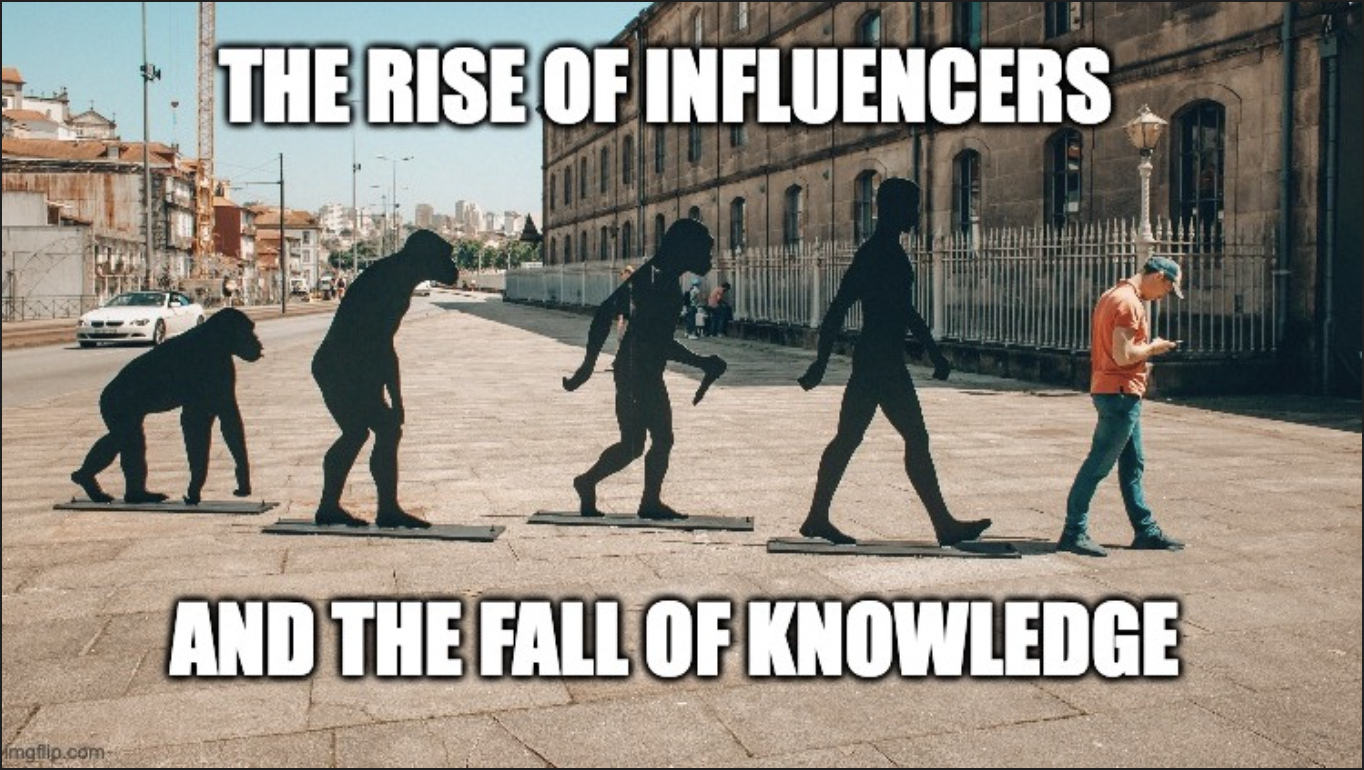
Introduction: Understanding the Fall of Knowledge in the Digital Age
In an era where information is more accessible than ever, the fall of knowledge on digital platforms feels both ironic and concerning. YouTube, once celebrated as a hub for learning, deep conversations, and intellectual growth, is increasingly dominated by short-form entertainment and surface-level content. Informative podcasts, educational discussions, and knowledge-driven videos are struggling to gain visibility, raising important questions about audience behavior, platform algorithms, and modern attention spans.
The Shift from Learning to Instant Entertainment
One of the primary contributors to the fall of knowledge is the growing preference for instant entertainment. Audiences today seek content that delivers quick emotional rewards, whether through humor, drama, or trends. Long-form educational videos demand patience and focus, qualities that are gradually fading in fast-scrolling digital environments. As a result, knowledge-based content often feels “too heavy” for casual consumption.

Declining Attention Spans and Mental Fatigue
Modern viewers are overwhelmed with information from multiple platforms. Continuous notifications, endless feeds, and rapid content switching have reduced the ability to focus for extended periods. The fall of knowledge is closely tied to this decline in attention span, as informative podcasts and discussions require sustained listening. Even viewers who value learning often postpone such content, choosing lighter alternatives instead.
Algorithmic Preference and Visibility Challenges
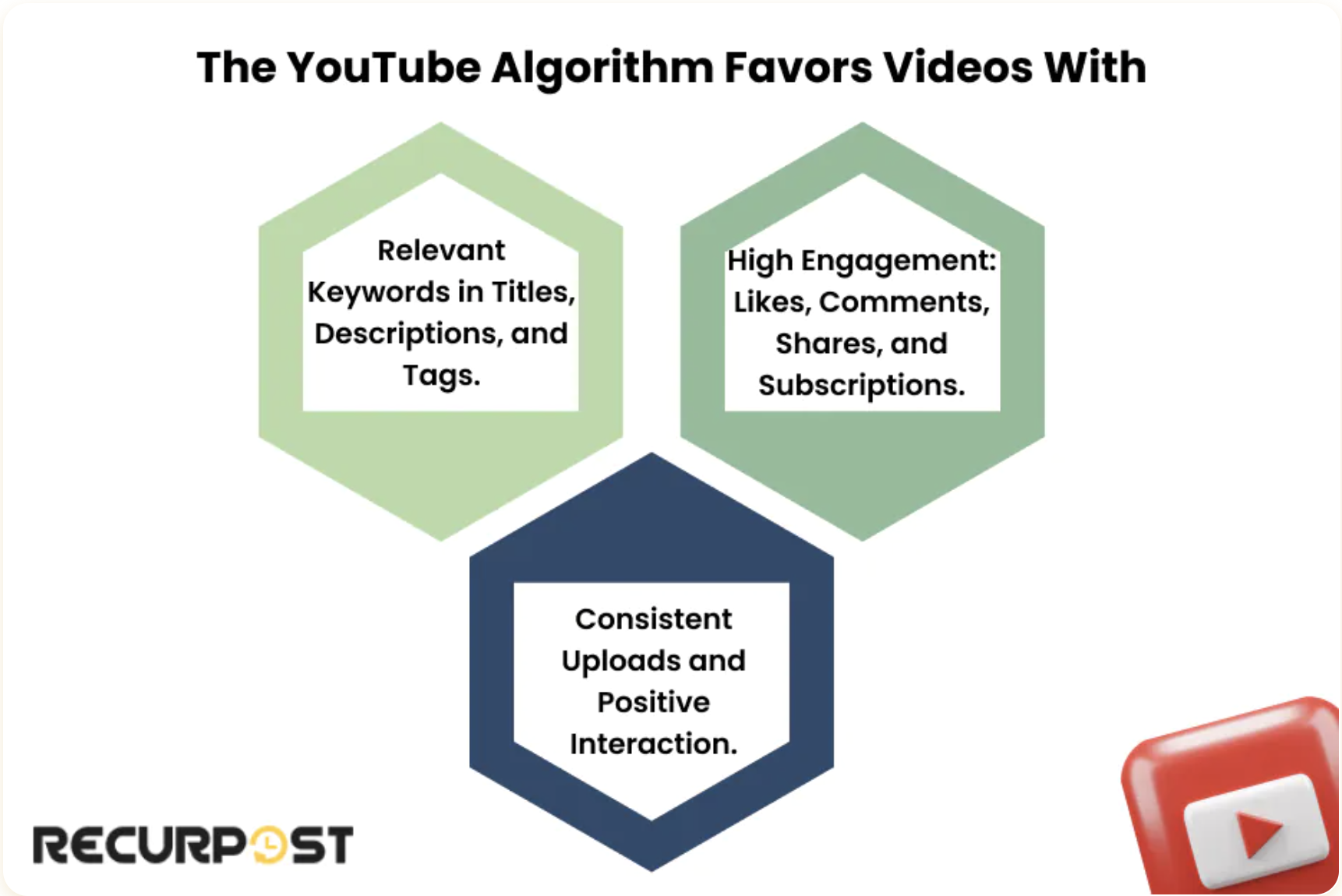
YouTube’s recommendation system prioritizes content that generates immediate engagement. Videos that provoke instant reactions, comments, or shares are pushed more aggressively. Unfortunately, the fall of knowledge accelerates when educational content fails to meet these short-term engagement metrics. Deep conversations grow slowly, and their value unfolds over time, which does not align with algorithmic expectations.
Knowledge Content vs Viral Culture
Viral culture thrives on shock value, relatability, and trends, whereas knowledge-based content focuses on depth and understanding. This mismatch fuels the fall of knowledge, as creators struggle to package serious topics in a way that competes with entertainment-heavy videos. While informative content may be respected, it is often overlooked in favor of what feels immediately enjoyable.
Poor Packaging of Informative Content
Another overlooked reason behind the fall of knowledge is weak presentation. Many creators focus solely on substance while ignoring titles, thumbnails, and hooks. In a highly competitive feed, even high-quality educational videos can fail to attract clicks if they do not visually or emotionally connect with viewers within seconds.
Over-Saturation and Trust Issues
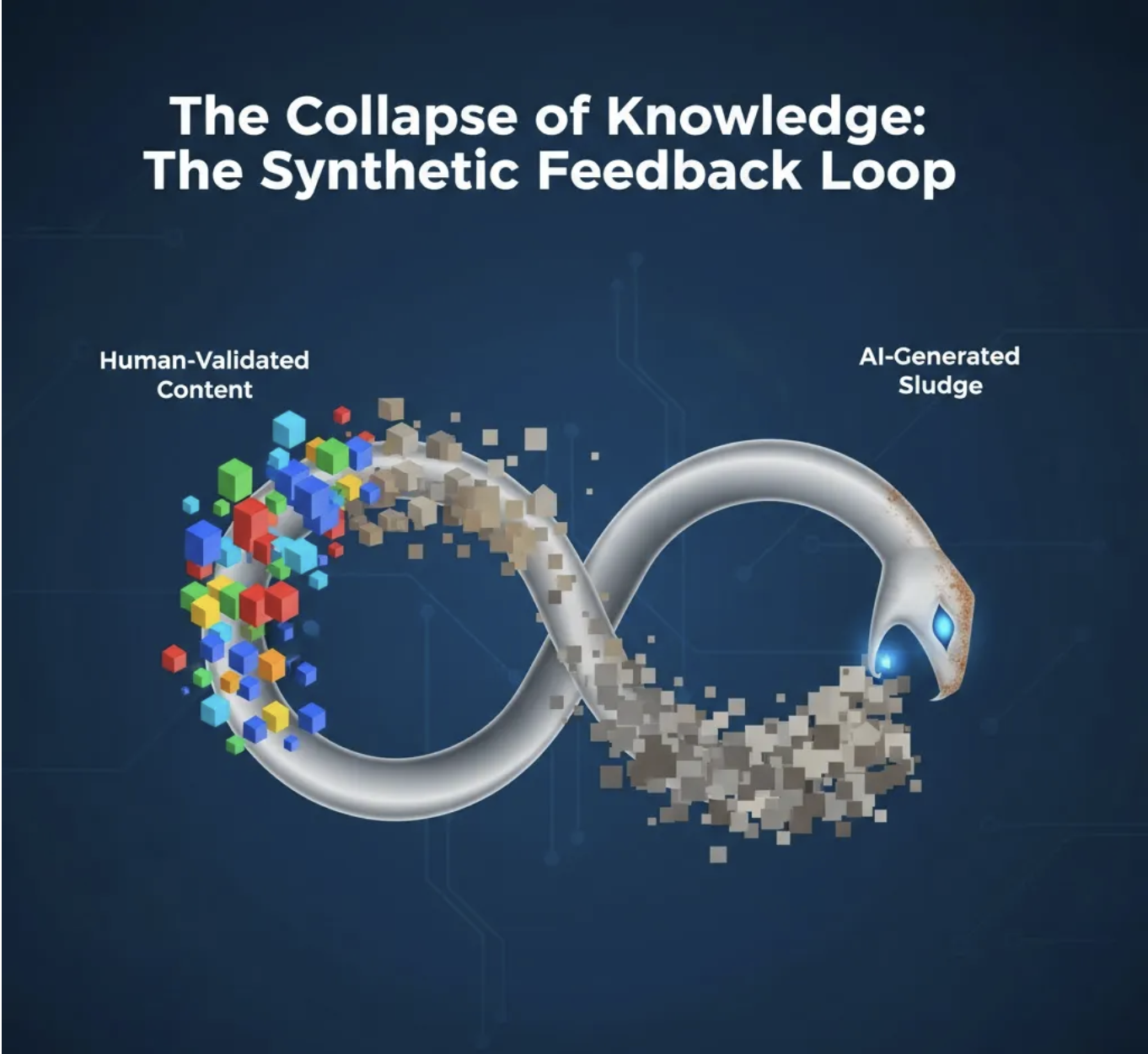
The internet is flooded with self-proclaimed experts, which has created confusion and skepticism among viewers. This environment contributes to the fall of knowledge, as audiences struggle to differentiate between credible information and misleading content. As trust erodes, viewers become selective, often sticking only to familiar creators and ignoring new informative voices.
The Psychology of Effort-Based Content
Learning requires mental effort, reflection, and sometimes discomfort. In contrast, entertainment offers relaxation. The fall of knowledge reflects a broader psychological shift where audiences avoid cognitively demanding content, especially after long workdays. Knowledge is valued, but convenience often wins.
Why Knowledge Still Holds Long-Term Value
Despite the visible fall of knowledge, informative content remains essential. Educational podcasts and discussions shape critical thinking, awareness, and informed decision-making. While view counts may be lower, the impact of such content is deeper and more lasting, often building loyal and thoughtful communities rather than fleeting audiences.
Can the Fall of Knowledge Be Reversed?
The future of learning content depends on adaptation rather than abandonment. Creators who blend storytelling, strong presentation, and meaningful insights can slow the fall of knowledge. Platforms may also evolve to reward depth alongside engagement, encouraging creators to invest in quality once again.
Conclusion: Beyond Views and Algorithms
The fall of knowledge on YouTube is not a sign that people no longer care about learning, but rather a reflection of changing habits and digital pressures. While entertainment dominates the present, knowledge remains timeless. Those who continue to create and consume meaningful content are preserving the intellectual foundation of the digital world, even when the numbers fail to show it.
Kalpriksh – Contact and reach us
Kalprix – Our social media partner
Shashank Goyal – Our Mentor